
Rapidiously myocardinate cross-platform intellectual capital model. Appropriately create interactive infrastructures


- 45 New Eskaton Road, Austria

Temples
About Sanatan Dharma
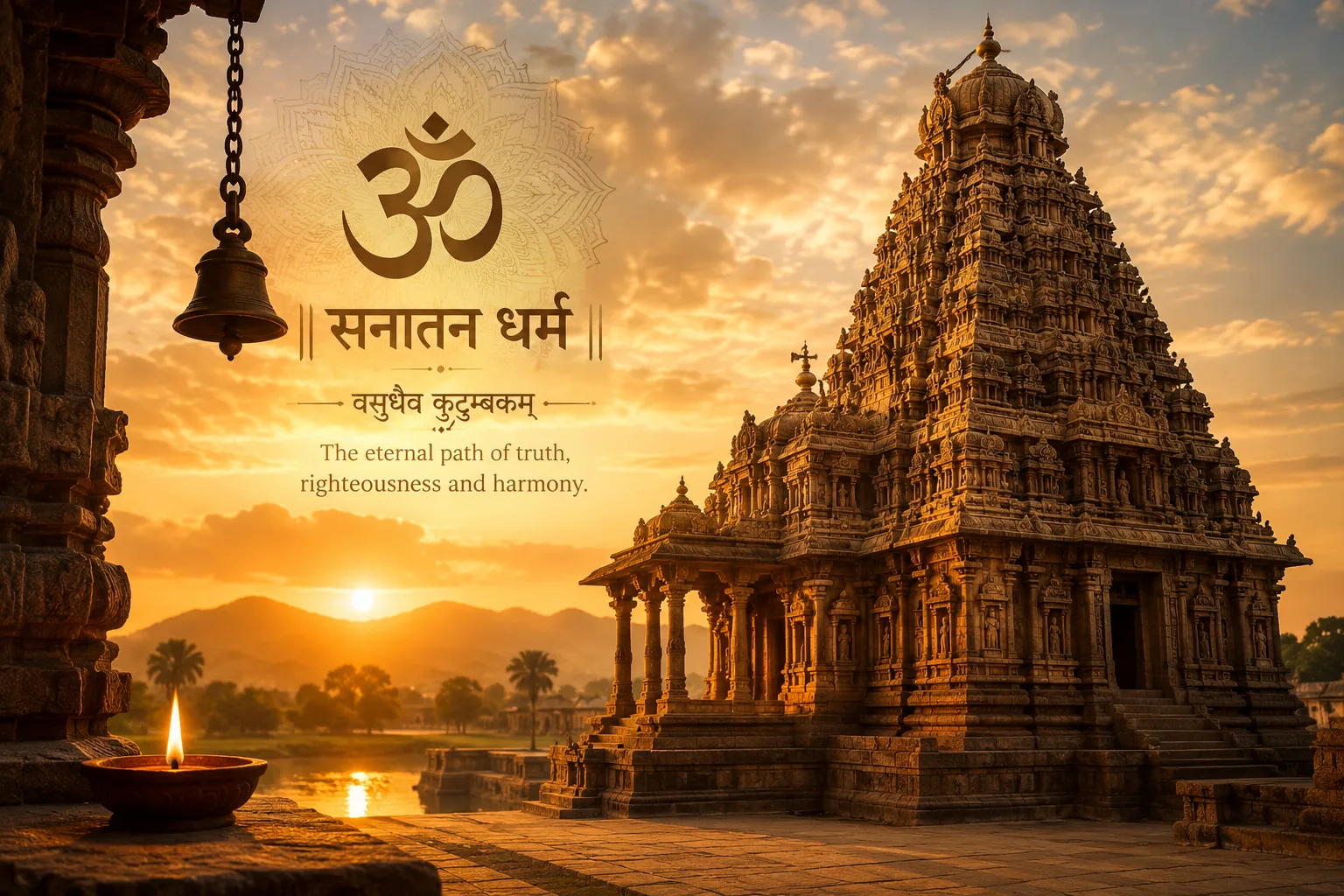
Ancient Hindu & Sanatan Culture
Sanatan Dharma, popularly known as Hindu Dharma, is one of the world’s oldest spiritual traditions rooted in eternal values, universal harmony, scientific wisdom, yoga, meditation, and devotion. The term “Sanatan” means eternal, timeless, and everlasting.
Hindu culture teaches the path of righteousness (Dharma), compassion, truth, peace, and coexistence with nature. Ancient sages developed profound knowledge in astronomy, mathematics, architecture, Ayurveda, meditation, and cosmic science.
Temples in India are not merely places of worship; they are powerful energy centers designed according to Vastu Shastra and sacred geometrical principles to enhance spiritual vibrations.
The Science Behind Hindu Temples
Temple Architecture
Hindu temples are constructed based on sacred geometry and Vastu principles. The Garbhagriha (sanctum) is designed to concentrate positive cosmic energy.
Sound Vibrations
Temple bells and Vedic chants create powerful sound frequencies that calm the mind, improve concentration, and generate positive vibrations.
Spiritual Energy
Many ancient temples are built over magnetic energy zones. Meditation and prayer in such places help improve mental peace and spiritual awareness.
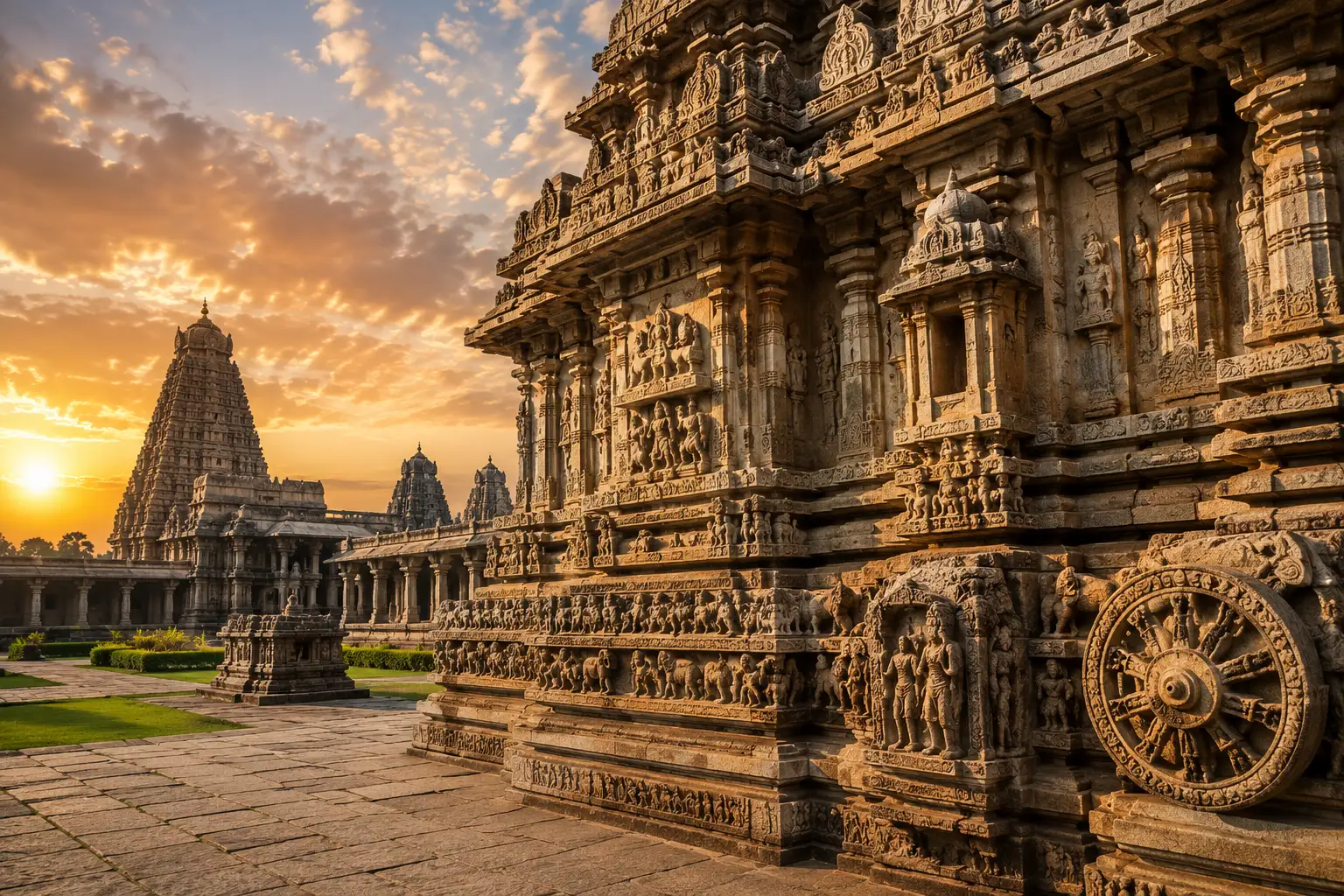
History of Ancient Temples
Indian temples have existed for thousands of years and reflect the incredible craftsmanship, devotion, and knowledge of ancient India.
Dynasties like the Cholas, Hoysalas, Vijayanagara Empire, Pallavas, and Chalukyas built magnificent temples that still stand as architectural wonders.
Temples served not only as spiritual centers but also as hubs of education, music, dance, Ayurveda, and community gatherings.
Teachings of Sanatan Dharma
Dharma
Living a righteous and moral life.
Karma
Every action has consequences.
Yoga
Union of body, mind, and soul.
Moksha
Attaining spiritual liberation.
“Vasudhaiva Kutumbakam”
The whole world is one family — Ancient Sanskrit Wisdom